What Is the World's First Animation? The 5,200-Year-Old Discovery Kids Love
The world's first known animation wasn't made by Disney — it was painted on a clay goblet in ancient Persia 5,200 years ago. Here's the story behind the discovery and why kids are fascinated by it.

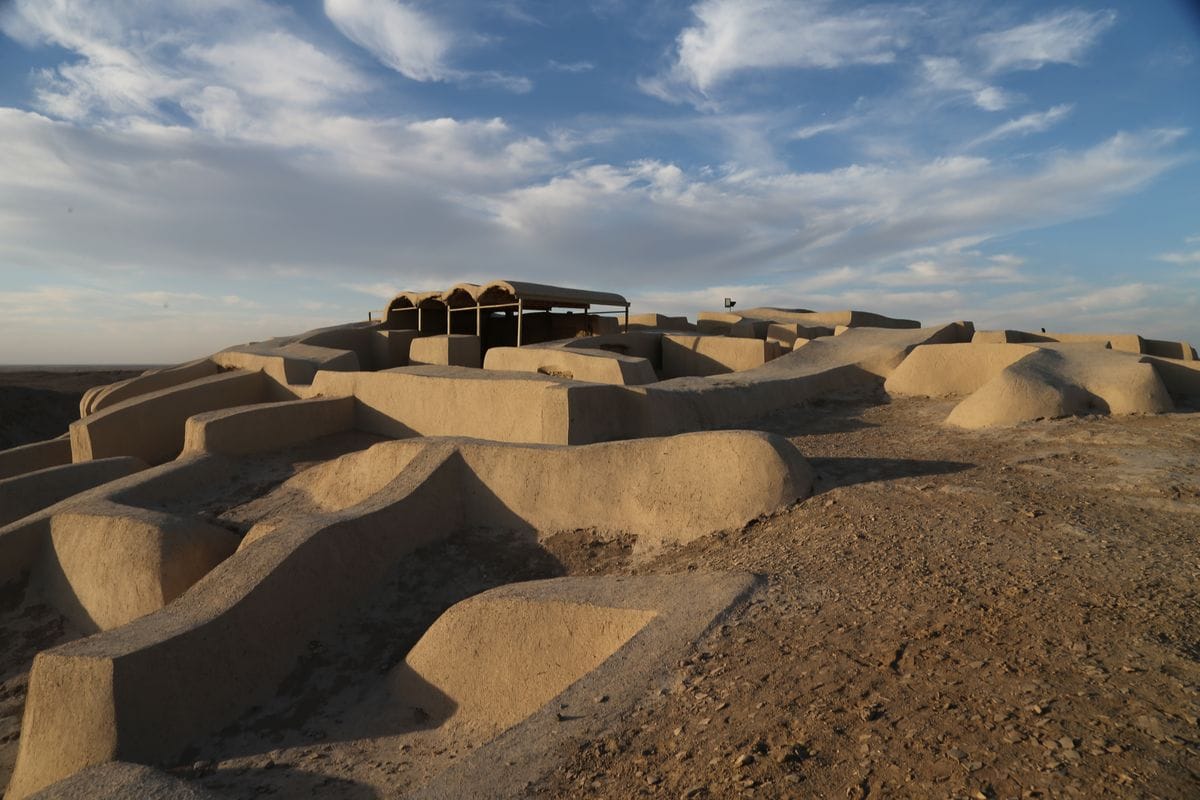
When most people think of animation, they think of Disney, Pixar, or Saturday morning cartoons. But the world's first known animation is over 5,200 years old — and it was found in the desert of southeastern Iran.
The Burnt City
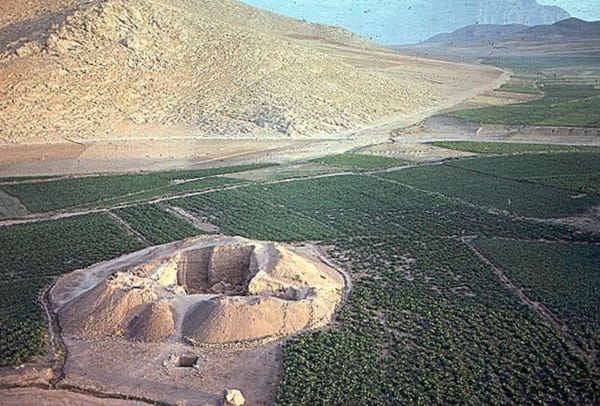
Shahr-e Sukhteh, or "The Burnt City," is an ancient settlement in Iran's Sistan-Baluchestan province. Inhabited from roughly 3200 BCE to 1800 BCE, it was one of the largest cities of its time — a center of trade, craft, and culture on the edge of the Lut Desert.
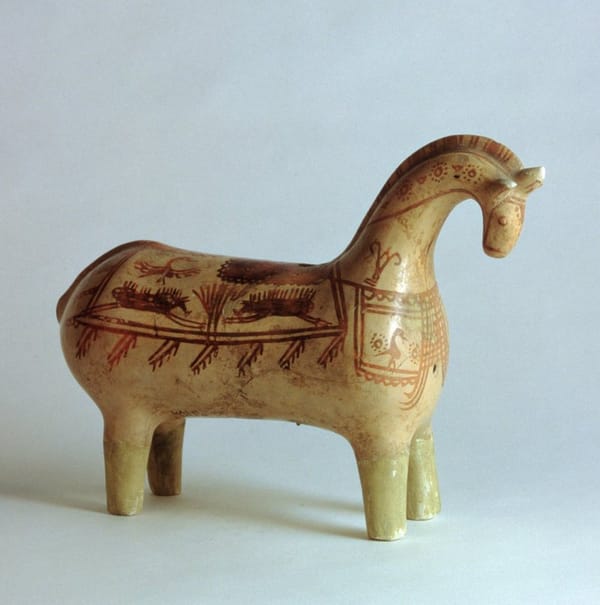
Among the thousands of artifacts excavated from the site, one stands out: a small clay goblet, about the size of a coffee cup, with five sequential images painted around its rim.
The Goblet That Changed Animation History
The five images show a wild goat (an ibex) in progressive poses — leaping toward a tree, eating its leaves, and landing. When the goblet is spun, the images create a fluid animation of the goat jumping and eating. It's the same principle behind a zoetrope or a flip book, invented thousands of years before either existed.
This makes it the oldest known example of animation anywhere in the world. Not a cave painting. Not a static image. A deliberate sequence designed to create the illusion of movement.
Why Kids Love This Story
Children are natural animators — they draw flip books, make stop-motion videos on their tablets, and understand intuitively how sequential images create movement. When they learn that a potter in ancient Persia figured this out 5,200 years ago, it clicks immediately.
This is exactly the premise behind The First Animation of the Ancient World, the debut book in the Time Travelers to Ancient Persia series. The story follows two children — Aryan and Ariana — as they travel back in time to Shahr-e Sukhteh and witness the creation of this remarkable artifact.
What Else Was Found at the Burnt City
Shahr-e Sukhteh isn't just famous for animation. The site has yielded:
- The oldest known artificial eye — a hemispherical form made of a lightweight material, painted with a gold sun pattern
- Evidence of brain surgery — a skull showing a surgical procedure performed on a living patient
- The oldest known backgammon set — complete with dice made from bone
- Advanced textile production — evidence of a sophisticated weaving industry
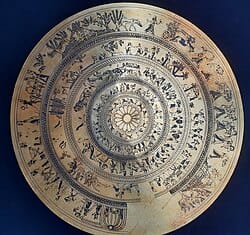
This was not a primitive settlement. It was a thriving, innovative city — and it existed at the same time as the Egyptian pyramids were being built.
Bringing Ancient Persia Into the Classroom
If you're a teacher or homeschool parent, the Shahr-e Sukhteh animation is one of the best entry points into ancient Persian history. It's visual, it's surprising, and it connects directly to something children already understand and enjoy.
The Time Travelers to Ancient Persia series uses this discovery as its opening story, then expands across 18 books to cover archaeological sites spanning 10,000+ years of human history on the Iranian Plateau.
For classroom resources and bulk ordering, visit our educators page.