How to Teach Ancient History to Children: A Homeschool Parent's Guide
A practical guide for homeschool families on teaching ancient civilizations — including ancient Persia, Mesopotamia, and the Iranian Plateau — to elementary-age children using books, activities, and real archaeology.

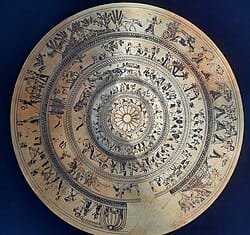
Teaching ancient history to children doesn't have to mean memorizing dates and dynasty names. The best approach combines storytelling, hands-on activities, and real artifacts. Here's how to build an engaging ancient history unit for your homeschool — with a focus on the often-overlooked civilizations of the Iranian Plateau.
Start With Stories, Not Textbooks
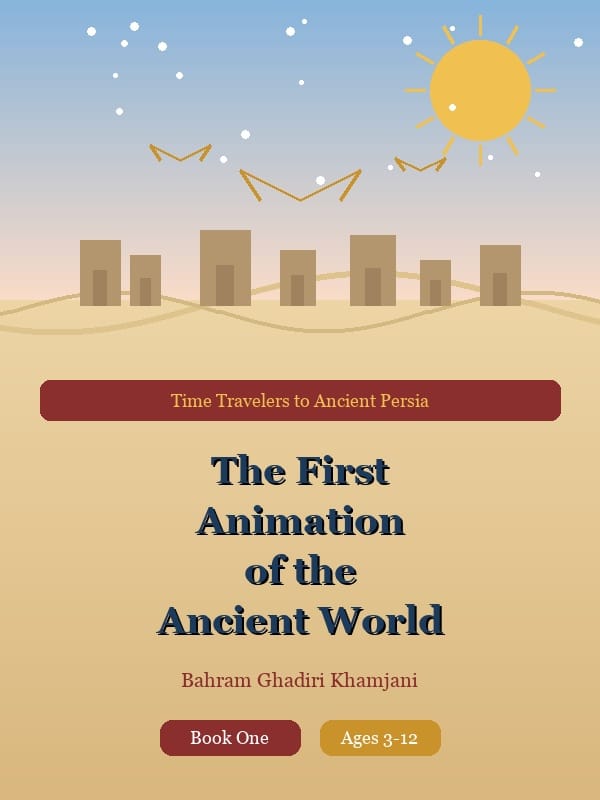
Children learn history best through narrative. Before introducing timelines or maps, give them characters they can follow. The Time Travelers to Ancient Persia series does exactly this — two siblings travel through time to visit real archaeological sites, guided by their archaeologist grandfather.
When kids are emotionally invested in characters, they remember the history those characters encounter. That's the difference between "there was a settlement called Ganj Dareh" and "Aryan and Ariana visited a 10,000-year-old village where people were just learning to farm."
Connect to Real Artifacts
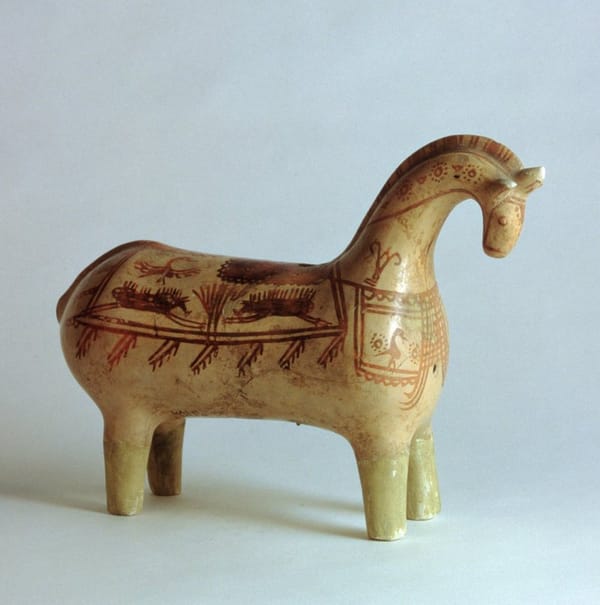
Ancient Persia has some of the most visually striking artifacts in the archaeological record:
- The Shahr-e Sukhteh goblet — a 5,200-year-old painted cup showing the world's first known animation (a goat jumping to eat from a tree)
- Jiroft carved vessels — intricate stone carvings from one of the earliest known civilizations
- Clay wheeled toys from Shahdad — evidence that children played with toy animals on wheels thousands of years ago
Print images of these artifacts, have your children sketch them, and discuss what they tell us about the people who made them. This is archaeology at its most accessible.
Build a Timeline Wall
Create a physical timeline on a wall or long piece of paper. As you read each book or explore each site, add it to the timeline. Key dates for the Iranian Plateau:
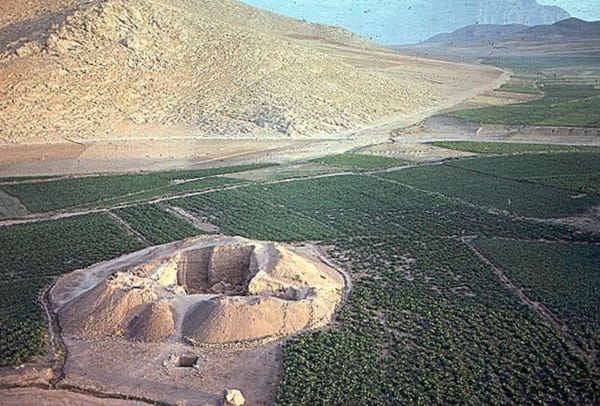
- 10,000+ years ago — Ganj Dareh, one of the earliest farming communities
- 8,000 years ago — Tepe Asiab, early settlement with evidence of domesticated animals
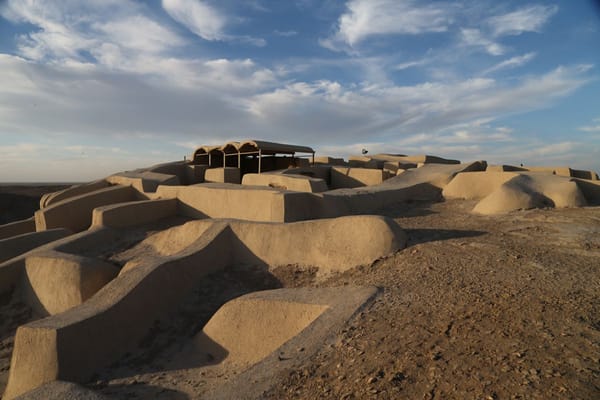
- 5,200 years ago — Shahr-e Sukhteh, the Burnt City (first animation, early brain surgery)
- 4,500 years ago — Jiroft civilization emerges
- 2,500 years ago — Achaemenid Empire (Cyrus the Great, Persepolis)
Children are often shocked to learn that Persian civilization predates ancient Greece by thousands of years.
Hands-On Activities
Clay artifact making: Use air-dry clay to recreate simple artifacts — a wheeled animal toy, a decorated bowl, or a small figurine. Talk about what each item was used for and what it tells us about daily life.
Map drawing: Draw the Iranian Plateau and mark the archaeological sites. Compare the geography to where your family lives — how are the landscapes different?
Story retelling: After reading a chapter of the Time Travelers series, have your child retell the story from the perspective of a child who lived at that archaeological site thousands of years ago.
Curriculum Alignment
Ancient Persia fits naturally into Common Core social studies standards for grades 2-5, particularly:
- Understanding how human communities adapted to their environments
- Comparing civilizations across time periods
- Using primary sources (artifacts, images) to draw conclusions about the past
- Identifying how cultural practices and innovations spread between regions
Resources for Your Unit
Visit our educators page for classroom materials, storytelling session booking, and curriculum integration ideas. For ordering multiple copies for your homeschool co-op or group, check our bulk order page.