Teaching Persian Culture to Elementary Students: A Teacher's Starting Point
How to introduce Persian culture and ancient Iranian history to elementary-age students through books, artifacts, and hands-on activities that meet social studies standards.

Persian culture is one of the oldest continuous cultural traditions in the world — spanning art, poetry, architecture, science, and storytelling across thousands of years. But introducing it to elementary students can feel daunting, especially if it's not covered in your standard curriculum materials.
Here's a practical starting point for teachers and homeschool families who want to bring Persian culture into the classroom.
Start With What Kids Already Know
Most children have encountered pieces of Persian culture without realizing it — the word "paradise" comes from Old Persian, chess was popularized through Persia, and the Persian cat is named after the region. These familiar touchpoints are easy entry points.
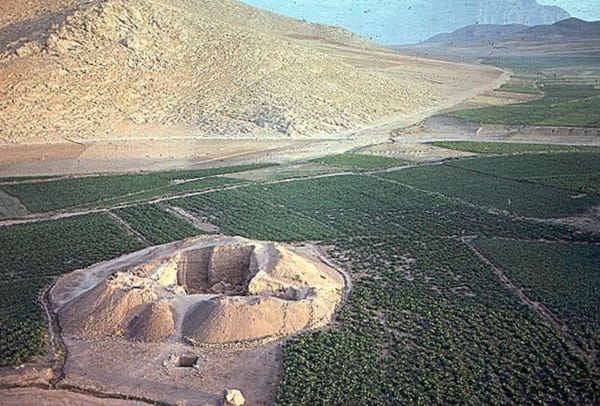
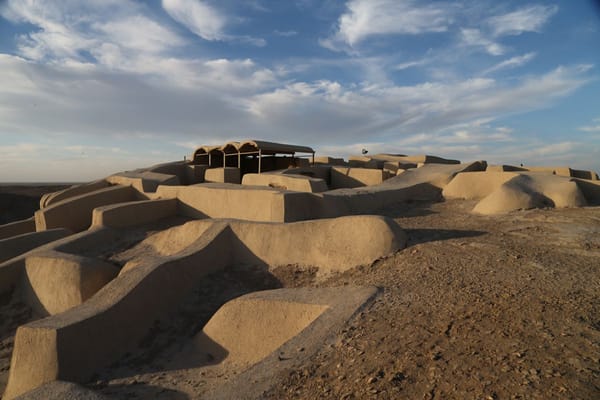
But ancient Persia goes much deeper than the Achaemenid Empire. The Iranian Plateau is home to some of humanity's earliest settlements, predating ancient Greece by thousands of years. The Time Travelers to Ancient Persia series introduces children to these earlier civilizations through adventure stories grounded in real archaeology.
Five Key Themes for Elementary Students
1. Innovation and Invention
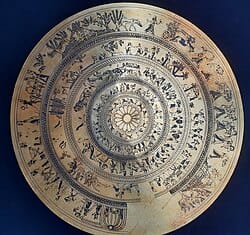
Ancient Persians invented or pioneered: the world's first animation (5,200 years ago at Shahr-e Sukhteh), early forms of writing, sophisticated irrigation systems (qanats), and the first postal system. These are concrete, kid-friendly facts that show Persian contributions to human progress.
2. Daily Life and Play
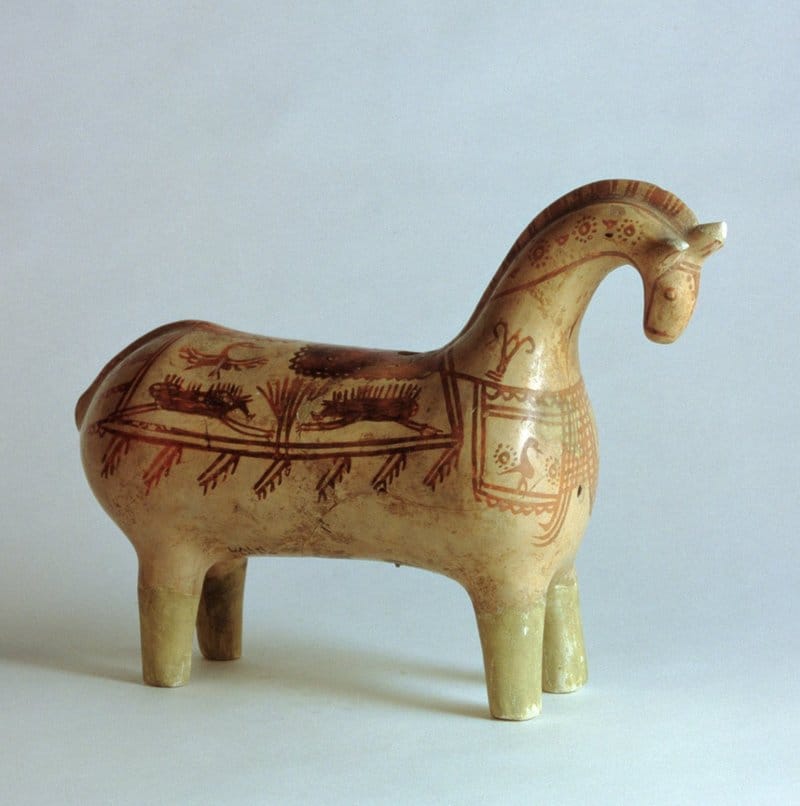
Archaeological sites like Shahdad have yielded clay wheeled toys — horses and carts that children played with thousands of years ago. When kids see that ancient children had toys too, the past becomes relatable. The Time Travelers series uses these artifacts as story elements that bridge the gap between then and now.
3. Art and Craftsmanship
From the carved chlorite vessels of Jiroft to the painted pottery of Sialk, ancient Persian art is visually stunning and kid-accessible. Print high-resolution images and have students analyze the patterns, animals, and symbols depicted.
4. Geography and Environment
The Iranian Plateau's diverse geography — from desert to mountain to fertile valley — shaped how civilizations developed. Map activities comparing ancient settlement locations to modern cities help students understand the relationship between geography and human development.
5. Storytelling Tradition
Persia has one of the world's richest storytelling traditions, from the Shahnameh (Book of Kings) to One Thousand and One Nights. These stories can be read aloud, dramatized, or used as writing prompts alongside the archaeological content.
Recommended Resources
- Time Travelers to Ancient Persia series — narrative-driven archaeology for ages 3-12
- Educator resources page — classroom materials and storytelling session booking
- Bulk orders — discounted pricing for schools and libraries