Ancient Persia for Kids: What Every Parent and Teacher Should Know
A beginner's guide to ancient Persia for parents and teachers. What was ancient Persia, where was it, why does it matter, and how to teach it to children ages 3-12.

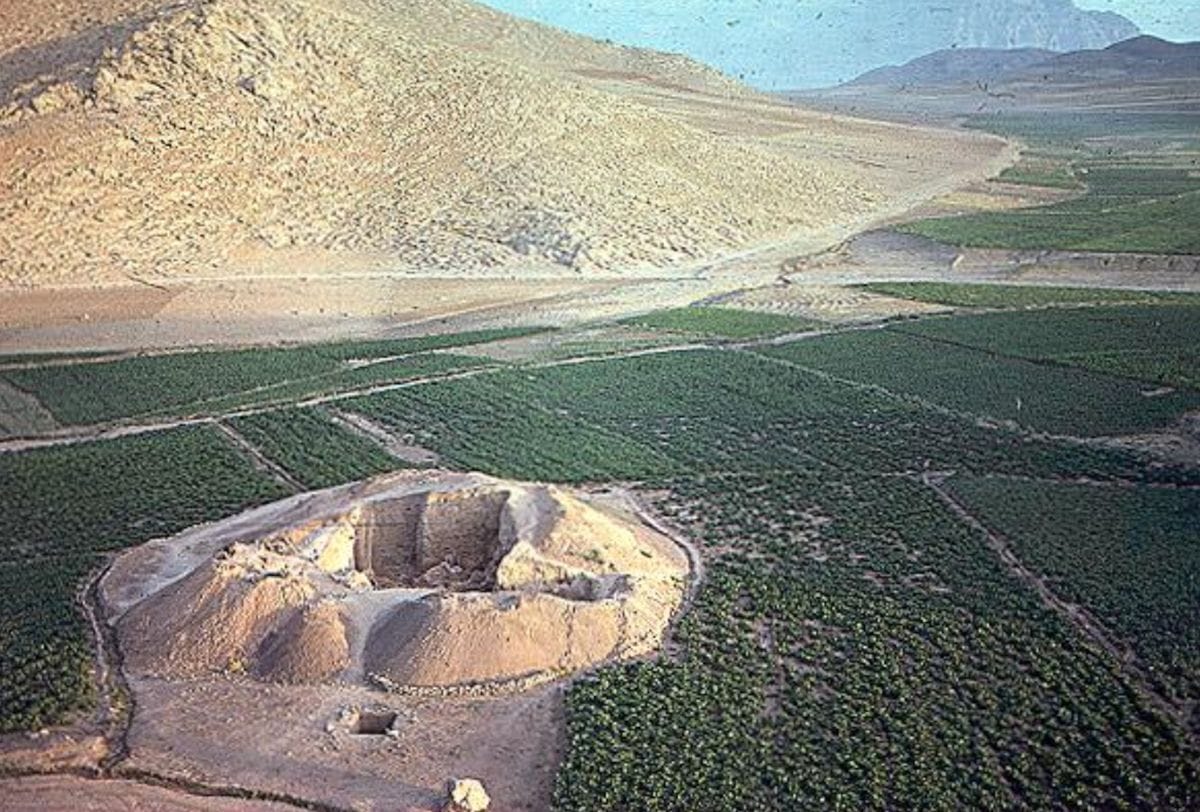
When people say "ancient Persia," they usually mean the Achaemenid Empire — Cyrus the Great, Persepolis, the Persian Wars against Greece. But the history of the Iranian Plateau goes back much further than that. We're talking 10,000+ years of continuous human civilization, some of the oldest in the world.
Here's what parents and teachers should know — and how to share it with children.
Where Was Ancient Persia?
Ancient Persia occupied roughly the same territory as modern-day Iran, plus parts of modern Iraq, Afghanistan, and Central Asia. The Iranian Plateau — a vast elevated region between the Zagros Mountains and the Lut Desert — was the cradle of some of humanity's earliest settled communities.
How Old Are We Talking?
Much older than most people realize:
- 10,000+ years ago — Ganj Dareh: one of the earliest known farming villages, with some of the oldest evidence of domesticated goats
- 8,000 years ago — Tepe Asiab: an early settlement showing the transition from hunting to farming
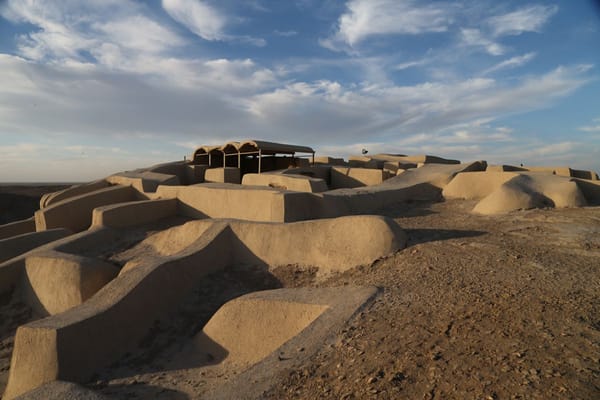
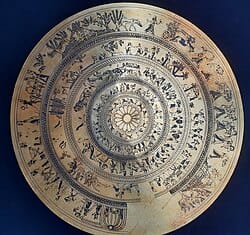
- 5,200 years ago — Shahr-e Sukhteh (The Burnt City): home of the world's first known animation, earliest artificial eye, and evidence of brain surgery
- 4,500 years ago — Jiroft: one of the earliest known civilizations, with remarkable carved artifacts
- 2,500 years ago — The Achaemenid Empire: Cyrus the Great, Persepolis, the Royal Road
For context, the Egyptian pyramids at Giza were built about 4,500 years ago. The earliest sites on the Iranian Plateau predate them by thousands of years.
Why Does It Matter for Kids?
Three reasons:
- It fills a gap. Most children's world history education covers Egypt, Greece, and Rome. The Iranian Plateau — one of the most important regions in human history — is almost completely absent. Teaching it gives children a more complete picture of where civilization began.
- It builds cultural awareness. For children of Persian/Iranian heritage, these stories connect them to their ancestry. For all children, they expand understanding of the diversity of human civilization.
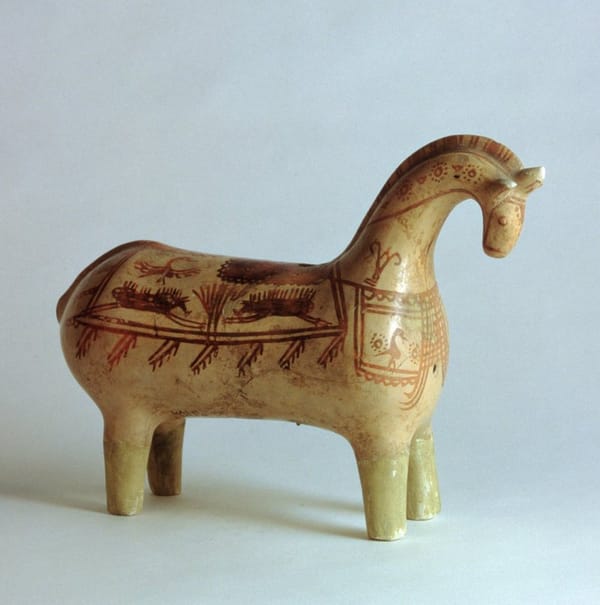
- It's genuinely fascinating. Ancient toys, the first animation, early surgery, massive trade networks — these are stories kids want to hear.
How to Introduce It
The Time Travelers to Ancient Persia book series was created specifically for this purpose. Written by archaeologist Bahram Ghadiri Khamjani, who has spent 30+ years working at these sites, the series takes children on adventures through real archaeological locations. Each book in the 18-book series visits a different site and time period.
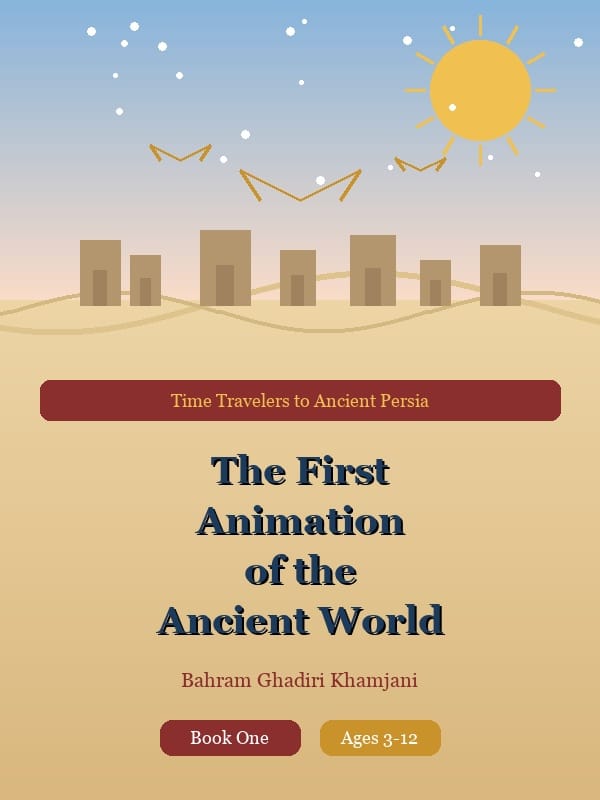
The first book — The First Animation of the Ancient World — starts at Shahr-e Sukhteh and the discovery of the world's oldest animation. It's designed for ages 3-12 and works both as a read-aloud for younger children and independent reading for older ones.
For Educators
We offer classroom resources, author storytelling sessions (virtual and in-person), and bulk ordering for schools and libraries. Visit our educators page for details, or request a bulk order for your school or library.