Why There Are Almost No Children's Books About Ancient Persia — And How We're Changing That
Most children's history books skip ancient Persia entirely. The Time Travelers to Ancient Persia series is the first to bring 12,000 years of Iranian Plateau history to life for young readers through real archaeology.

Walk into any children's section of a bookstore or library and you'll find shelves full of books about ancient Egypt, Greece, and Rome. Pyramids, gladiators, the Trojan Horse — kids know these stories by heart.
Now try finding a children's book about ancient Persia. Most books written about ancient Iran — whether for children or adults — focus on the Achaemenid Empire and everything that came after it. Cyrus the Great, Persepolis, the wars with Greece. That's where the story usually begins.
But the Achaemenid Empire is only about 2,500 years old. The history of the Iranian Plateau goes back more than 12,000 years. That means there are ten thousand years of human civilization — farming, art, toolmaking, music, architecture — that came before the Achaemenids. And until now, no one has ever published a book for children about that period.
Not one.
The Time Travelers to Ancient Persia series is the first. It is the first children's book series ever written about the ten-thousand-year history of the Iranian Plateau before the Achaemenid era.
A 12,000-Year Story Nobody Was Telling
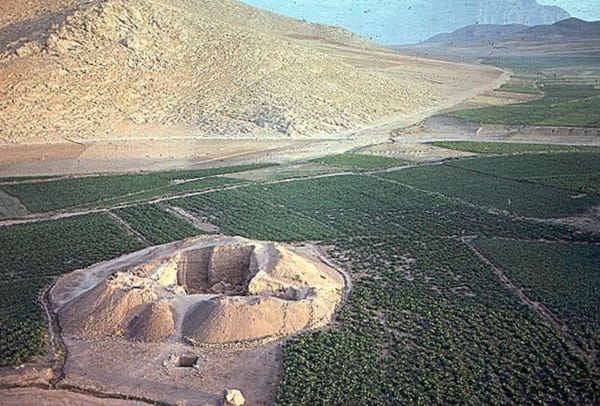
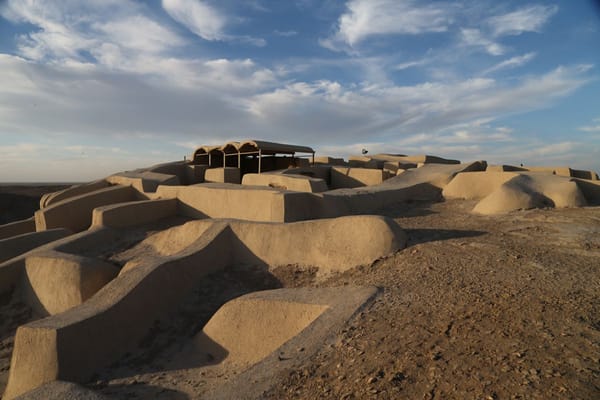
The civilizations that existed on the Iranian Plateau during those ten thousand years are not minor footnotes. Sites like Ganj Dareh (one of the world's earliest farming communities, over 10,000 years old), Shahr-e Sukhteh (home of the world's first known animation, 5,200 years old), and Jiroft (one of the earliest known civilizations) are among the most significant archaeological discoveries on the planet.
Yet children's education almost completely ignores them. World history curricula jump from Mesopotamia to Greece as if nothing existed in between. The thousands of years of human innovation on the Iranian Plateau go untold. That's not just an oversight — it's a loss. These are stories children deserve to know, and until this series, there was simply no book to tell them.
Written by an Archaeologist Who's Been There
The Time Travelers series is written by Bahram Ghadiri Khamjani, an archaeologist with over 30 years of academic and professional experience in the preservation and study of historical architecture and archaeological sites across the Iranian Plateau.
This isn't history filtered through a textbook writer. It's told by someone who has walked these sites, studied these artifacts firsthand, and dedicated his career to understanding the people who created them. Every story in the 18-book series is grounded in genuine discoveries.
What the Series Covers
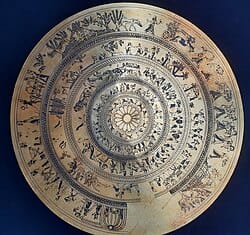
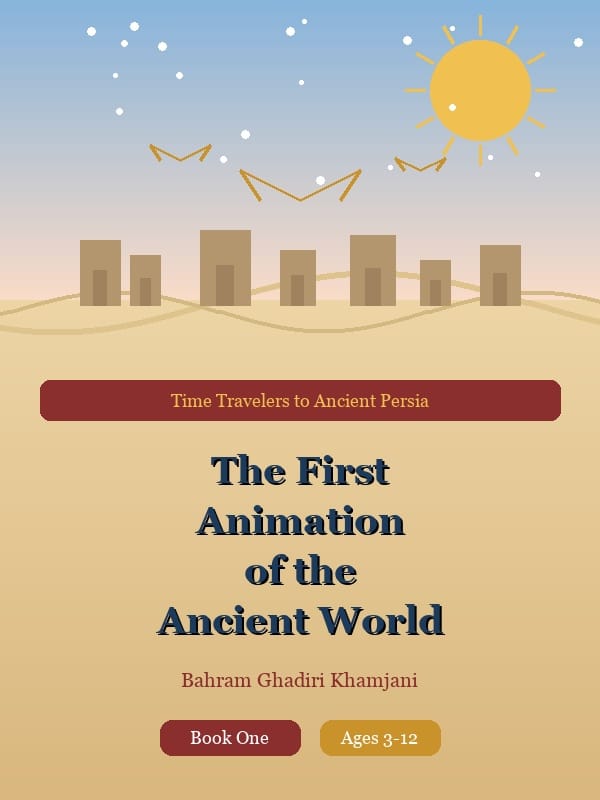
The first book — The First Animation of the Ancient World — takes two siblings, Aryan and Ariana, to Shahr-e Sukhteh (the Burnt City) where they witness the creation of a 5,200-year-old painted goblet that shows the world's earliest known animation: a goat leaping to eat from a tree. That's not fiction — it's a real artifact.
The full 18-book series spans thousands of years across the Iranian Plateau:
- The world's first animation at Shahr-e Sukhteh
- Ancient flutes carved from stone at Ganj Dareh
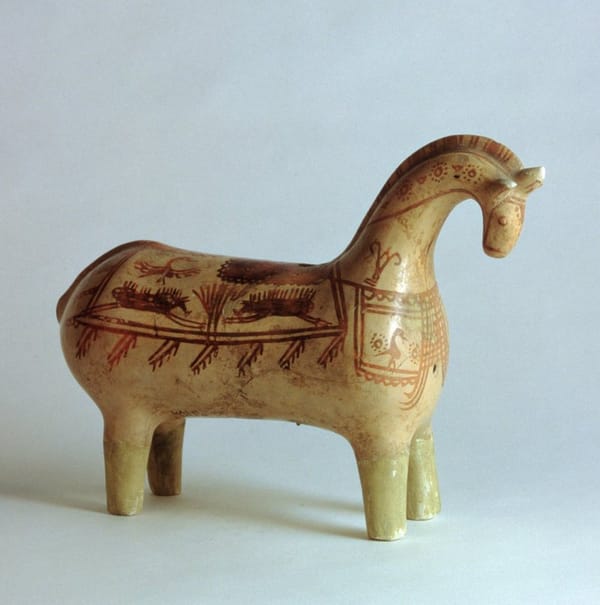
- Clay wheeled toys that prove children played just like today
- The painted pottery of early farming villages
- The carved treasures of the Jiroft civilization
- The monumental architecture of Chogha Zanbil
Each adventure visits a real archaeological site, inspired by real artifacts, and designed for ages 3-12.
Why This Matters for Your Child or Classroom
When children only learn about a handful of ancient civilizations, they get an incomplete picture of human history. Ancient Persia fills critical gaps:
- Cultural awareness: For children of Persian/Iranian heritage, these stories connect them to their ancestry. For all children, they expand understanding of where civilization began.
- Critical thinking: Archaeology teaches children to look at evidence and draw conclusions — a skill that transfers to every subject.
- Curriculum alignment: The series aligns with Common Core social studies standards for grades 2-5, covering early human communities, cultural practices, and innovation.
Get Started
Explore the book series to see what's available. For classroom adoption, bulk pricing, and educator resources, visit our educators page or request a bulk order for your school or library.